1134

Oil & Gas Pipeline Construction: The Standards That Protect Your Investment
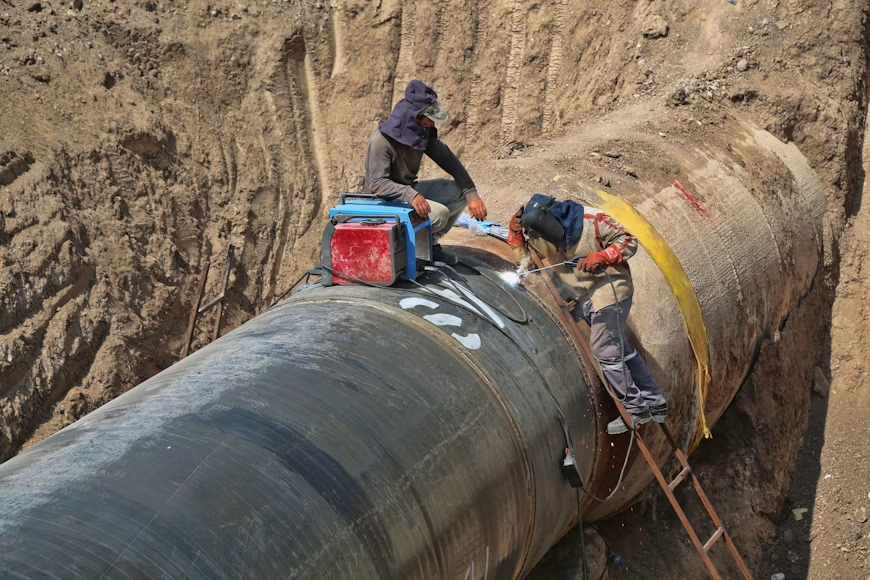
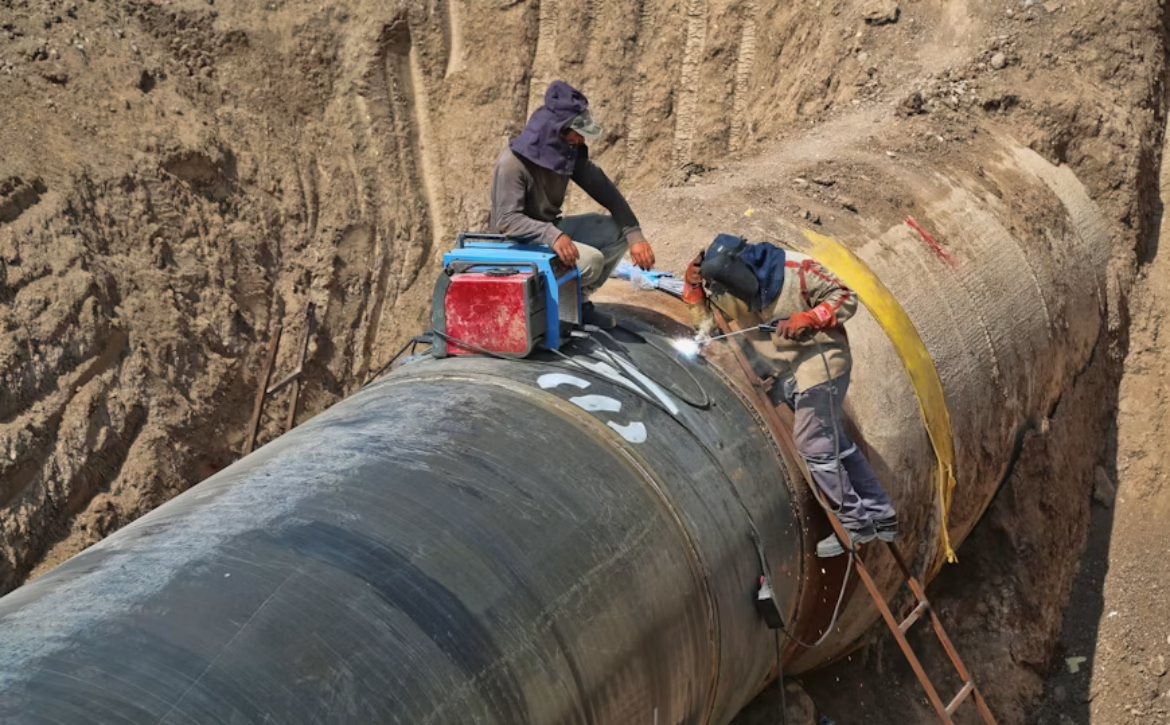
A pipeline is meant to run for decades, mostly out of sight and out of mind. That’s exactly why the construction phase matters so much — every shortcut taken underground becomes a maintenance problem, a safety risk, or a costly shutdown years later. For asset owners evaluating a pipeline contractor, the standards applied during construction are a better predictor of long-term reliability than almost anything else in the proposal.

Right-of-Way (ROW) Development Done Right

Before any pipe goes into the ground, the right-of-way has to be secured and prepared — land access agreements, environmental assessments, and coordination with landowners and communities along the route. Rushed ROW work tends to resurface later as disputes, rerouting costs, or environmental non-compliance. Done properly, it’s the foundation that everything downstream depends on.

Pipeline Laying and Tie-Ins

Precision matters here more than speed. Alignment, weld quality, and tie-ins — the connections between new pipeline segments and existing networks — all have to meet exact specifications, because a weak joint doesn’t fail immediately. It fails years later, usually at the worst possible time.

Testing Before Anything Goes Live

No section of pipeline should be commissioned without hydrostatic and pneumatic testing to confirm it can safely handle its intended operating pressure. This step exists specifically to catch problems before the pipeline is buried and put into service, when a fix is cheap, instead of after, when a fix means excavation, downtime, and potential contamination.

Coating, Wrapping, and Long-Term Corrosion Protection

Steel pipelines fail over time mainly due to corrosion, not sudden trauma. Proper coating and wrapping at the construction stage is what determines whether a pipeline lasts 15 years or 40. It’s an easy step to under-invest in because the payoff is invisible for the first decade — and expensive to have skipped in the second.

Maintenance: The Standard Most Contracts Forget

A pipeline contractor’s job doesn’t really end at handover. Ongoing maintenance — inspection schedules, leak detection, and repair response — is where the value of quality construction actually gets realized (or where the cost of poor construction gets discovered). Asset owners should ask not just “who builds it” but “who maintains it, and how.”

The Bottom Line

Pipeline construction is one area where cutting corners doesn’t save money — it just delays the bill and adds interest. A contractor that treats ROW development, tie-ins, testing, corrosion protection, and maintenance as non-negotiable standards, not optional line items, is the one worth building a long-term relationship with.

Untitled design (21)

Power Infrastructure in the UAE: Building the Grid for a Renewable Energy Future

The UAE’s energy mix is changing faster than most grids were originally built to handle. Solar and wind capacity are expanding alongside traditional oil-based generation, and water-linked power sources add another variable into the system. None of that transition works without the physical infrastructure to move power reliably from wherever it’s generated to wherever it’s needed — and that infrastructure is where a lot of energy strategy quietly succeeds or fails.

From Generation to Delivery: What Power Infrastructure Actually Covers

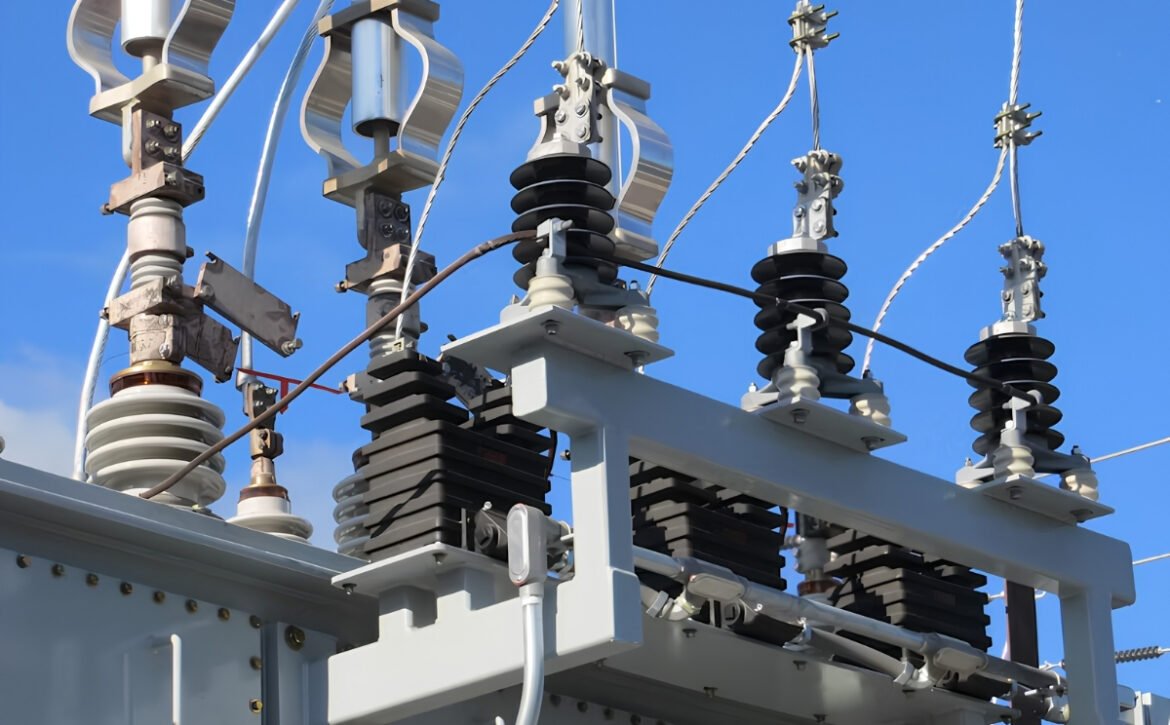
Power infrastructure is the layer between “electricity is generated” and “electricity reaches a building.” It includes heavy transmission line construction, transformers of all categories, substations, distribution networks, and the control systems that keep the whole thing coordinated. Skipping investment in any one layer creates a bottleneck for the others, no matter how much generation capacity gets added upstream.

Why Substation Capacity Matters More Than It Sounds

Substations step voltage up for long-distance transmission and back down for local distribution. A grid serving everything from heavy industrial complexes to residential neighborhoods needs substation capacity across a wide range — commonly from 132kV up to 500kV — because a single voltage tier can’t efficiently serve both ends of that demand. Under-building substation capacity is one of the most common reasons a otherwise well-planned grid can’t keep up with growth.

SCADA and Control Systems: The Grid’s Nervous System

SCADA (Supervisory Control and Data Acquisition) and control systems give operators real-time visibility into what’s happening across the network — where load is spiking, where a fault has occurred, where a line needs to be isolated. As more variable renewable sources come online, this real-time monitoring stops being a nice-to-have and becomes essential, since solar and wind output changes far faster than traditional generation ever did.

Building for Water, Sun, Wind, and Crude Oil — Together

A grid built around one generation source is easier to design but harder to future-proof. Power infrastructure that’s designed from the start to accommodate multiple generation types — hydro, solar, wind, and conventional oil-based generation — gives utilities and developers room to shift the energy mix over time without rebuilding the transmission and distribution backbone from scratch.

The Bottom Line

The UAE’s push toward a more diversified energy mix is only as strong as the transmission lines, substations, and control systems underneath it. For developers and utilities planning ahead, power infrastructure built with that flexibility in mind — rather than sized for today’s generation mix alone — is what keeps a grid reliable as the energy sources behind it keep evolving.

1134

Oil & Gas Pipeline Construction Standards That Protect Your Investment

From right-of-way development to hydro testing, here are the pipeline construction standards that separate a reliable contractor from a risky one.

A pipeline is meant to run for decades, mostly out of sight and out of mind. That’s exactly why the construction phase matters so much — every shortcut taken underground becomes a maintenance problem, a safety risk, or a costly shutdown years later. For asset owners evaluating a pipeline contractor, the standards applied during construction are a better predictor of long-term reliability than almost anything else in the proposal.

Right-of-Way (ROW) Development Done Right

Before any pipe goes into the ground, the right-of-way has to be secured and prepared — land access agreements, environmental assessments, and coordination with landowners and communities along the route. Rushed ROW work tends to resurface later as disputes, rerouting costs, or environmental non-compliance. Done properly, it’s the foundation that everything downstream depends on.


(more…)

airplane-569881

Global Industrial helps save on equipment and industrial supplies

Video credit Global Industrial helps businesses save on their equipment and industrial supplies. They make it extremely easy for businesses of any size to shop online using devices of their choice. From product research to procurement, they have experts to guide the process and ease of ordering anytime, anywhere when you are ready with your decision.