Power Infrastructure in the UAE: Building the Grid for a Renewable Energy Future
The UAE’s energy mix is changing faster than most grids were originally built to handle. Solar and wind capacity are expanding alongside traditional oil-based generation, and water-linked power sources add another variable into the system. None of that transition works without the physical infrastructure to move power reliably from wherever it’s generated to wherever it’s needed — and that infrastructure is where a lot of energy strategy quietly succeeds or fails.
From Generation to Delivery: What Power Infrastructure Actually Covers
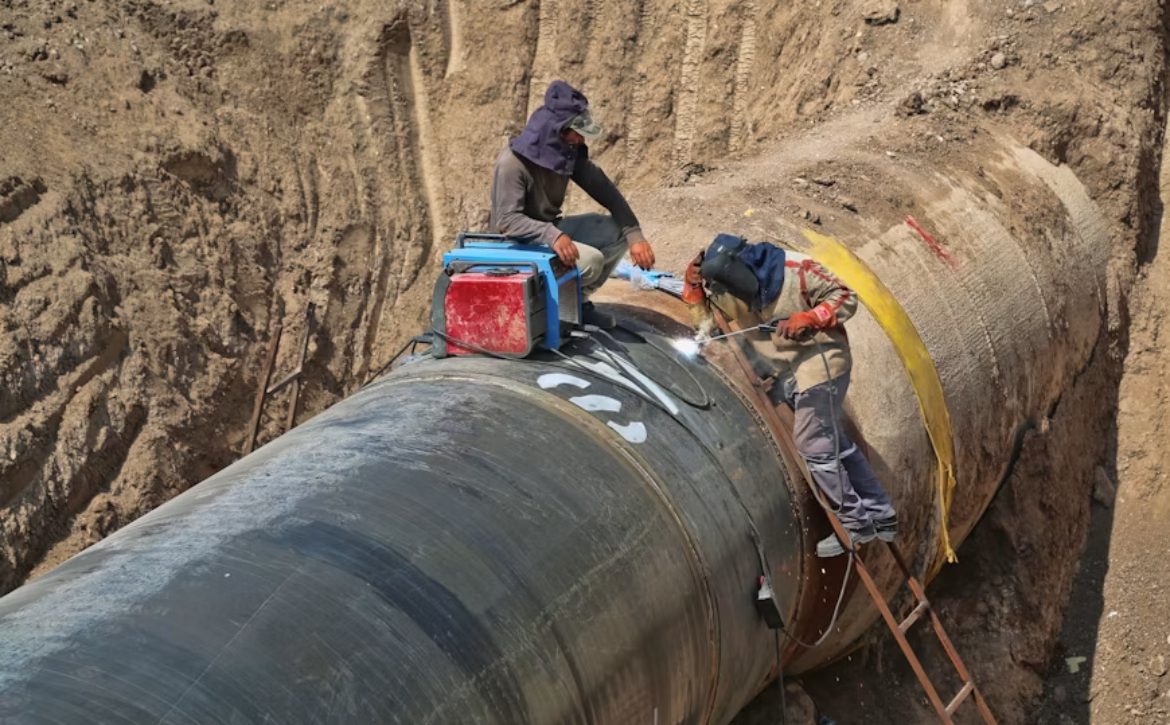
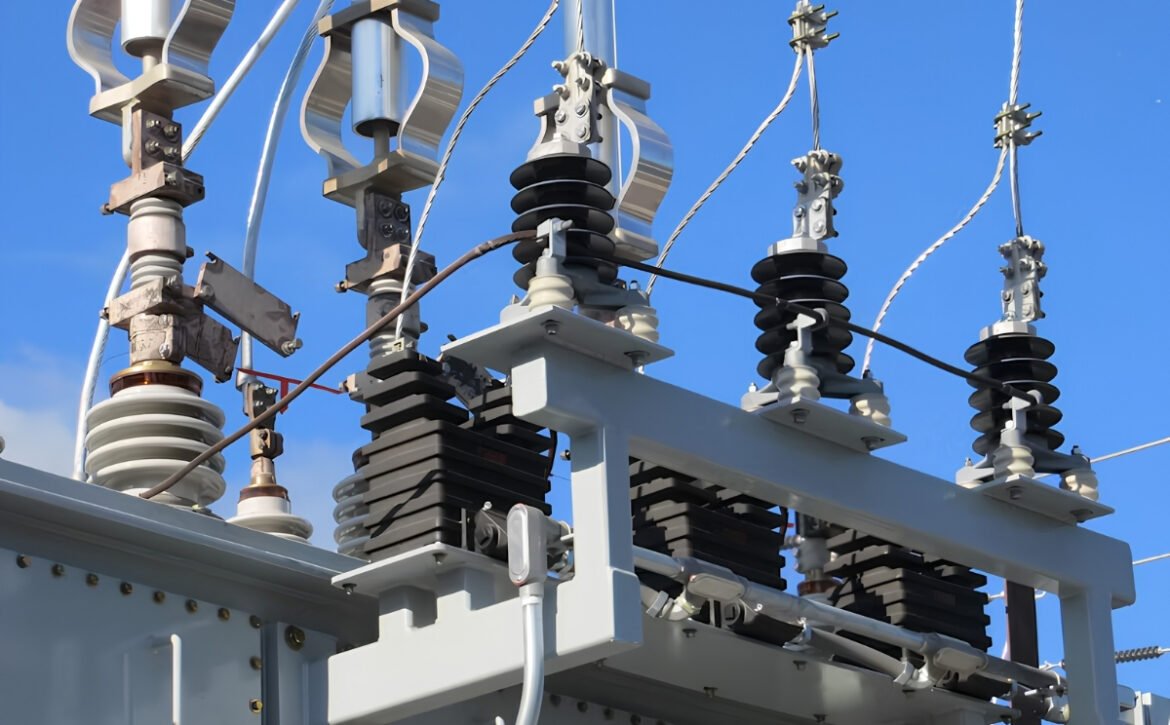
Power infrastructure is the layer between “electricity is generated” and “electricity reaches a building.” It includes heavy transmission line construction, transformers of all categories, substations, distribution networks, and the control systems that keep the whole thing coordinated. Skipping investment in any one layer creates a bottleneck for the others, no matter how much generation capacity gets added upstream.
Why Substation Capacity Matters More Than It Sounds
Substations step voltage up for long-distance transmission and back down for local distribution. A grid serving everything from heavy industrial complexes to residential neighborhoods needs substation capacity across a wide range — commonly from 132kV up to 500kV — because a single voltage tier can’t efficiently serve both ends of that demand. Under-building substation capacity is one of the most common reasons a otherwise well-planned grid can’t keep up with growth.
SCADA and Control Systems: The Grid’s Nervous System
SCADA (Supervisory Control and Data Acquisition) and control systems give operators real-time visibility into what’s happening across the network — where load is spiking, where a fault has occurred, where a line needs to be isolated. As more variable renewable sources come online, this real-time monitoring stops being a nice-to-have and becomes essential, since solar and wind output changes far faster than traditional generation ever did.
Building for Water, Sun, Wind, and Crude Oil — Together
A grid built around one generation source is easier to design but harder to future-proof. Power infrastructure that’s designed from the start to accommodate multiple generation types — hydro, solar, wind, and conventional oil-based generation — gives utilities and developers room to shift the energy mix over time without rebuilding the transmission and distribution backbone from scratch.
The Bottom Line
The UAE’s push toward a more diversified energy mix is only as strong as the transmission lines, substations, and control systems underneath it. For developers and utilities planning ahead, power infrastructure built with that flexibility in mind — rather than sized for today’s generation mix alone — is what keeps a grid reliable as the energy sources behind it keep evolving.