Oil & Gas Pipeline Construction Standards That Protect Your Investment
From right-of-way development to hydro testing, here are the pipeline construction standards that separate a reliable contractor from a risky one.
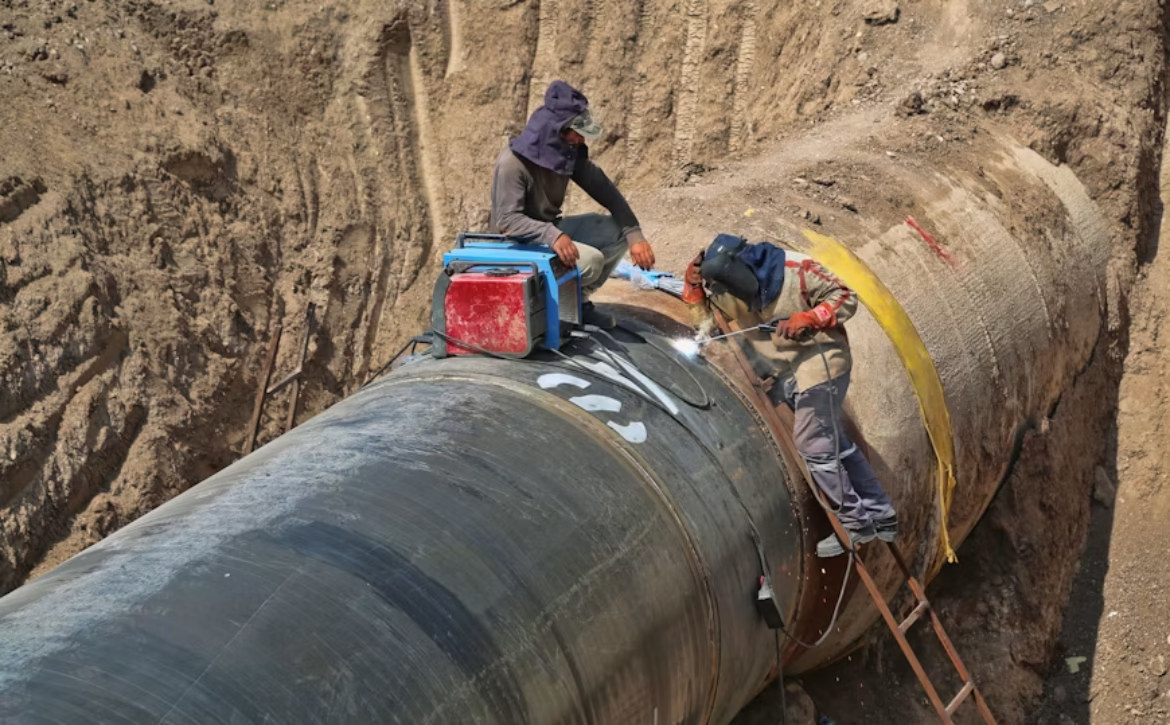
A pipeline is meant to run for decades, mostly out of sight and out of mind. That’s exactly why the construction phase matters so much — every shortcut taken underground becomes a maintenance problem, a safety risk, or a costly shutdown years later. For asset owners evaluating a pipeline contractor, the standards applied during construction are a better predictor of long-term reliability than almost anything else in the proposal.
Right-of-Way (ROW) Development Done Right
Before any pipe goes into the ground, the right-of-way has to be secured and prepared — land access agreements, environmental assessments, and coordination with landowners and communities along the route. Rushed ROW work tends to resurface later as disputes, rerouting costs, or environmental non-compliance. Done properly, it’s the foundation that everything downstream depends on.